Asphalt Resurfacing Contractor in Central Florida
A new surface when the structure underneath is still sound.
Resurfacing is the right answer when the structure underneath is still doing its job and the surface is simply worn out. It is the wrong answer when the base has failed.
Resurfacing means removing or preparing the existing surface and placing a new asphalt wearing course over a base that has been verified as sound. Done on the right candidate it restores the surface and the ride at meaningfully less cost than full replacement.
The judgement call is the whole job. We look for base fatigue, movement, pumping and drainage failure first. If we find those, we say so, because a new surface over a failed base looks correct for one season and then cracks in exactly the same pattern.
Asphalt Resurfacing project scope
What resurfacing involves
- Assessment of the existing base and drainage
- Repair of failed areas before any new surface goes down
- Milling of the existing surface where thickness or grade requires it
- Tack coat and new asphalt wearing course
- Compaction and tie-in to curbs, aprons and existing pavement
- Restriping where markings are affected
Asphalt Resurfacing assessment
Common pavement and site concerns
Surface is worn but stable
The ideal resurfacing candidate. The structure works, the wearing course is finished.
Isolated failed areas in an otherwise good lot
Those areas get repaired to full depth first, then the whole surface gets resurfaced.
Surface moves underfoot or pumps water
That is base failure. Resurfacing is not the right treatment and we will say so.
Asphalt Resurfacing project planning
How the job takes shape
- 1
Core the question: is the base sound?
Assessment of cracking pattern, movement and drainage.
- 2
Repair before surfacing
Full depth repair of failed areas.
- 3
Mill where needed
Milling to control thickness, grade and tie-in heights.
- 4
Place the new surface
Tack coat, asphalt placement and compaction.
- 5
Restripe
Markings restored to the agreed layout.
Discuss the site condition, drainage, access and intended use when requesting an estimate. Ask for a written scope so you can compare the proposed work.
Tri-State asphalt resurfacing photos
Photos from our work
Explore our paving, grading and pavement maintenance work.
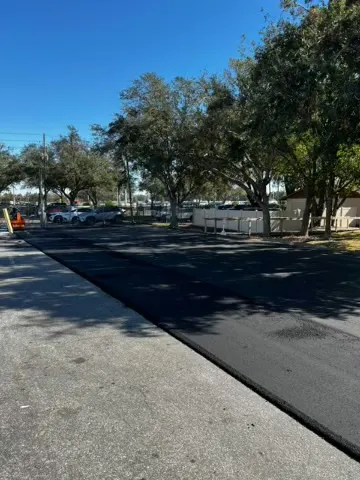
Roadway after an asphalt overlay
overlay
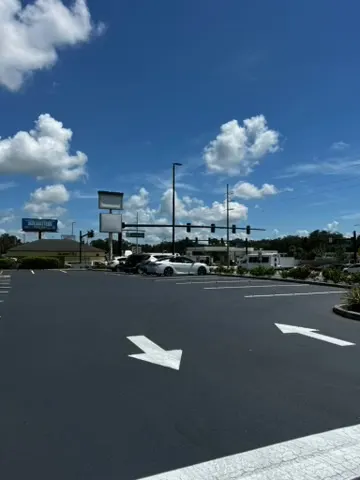
Wide expanse of new asphalt on a commercial parking area
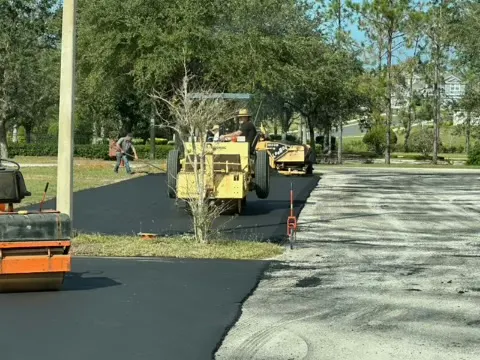
Roller and paver working a wide paving run
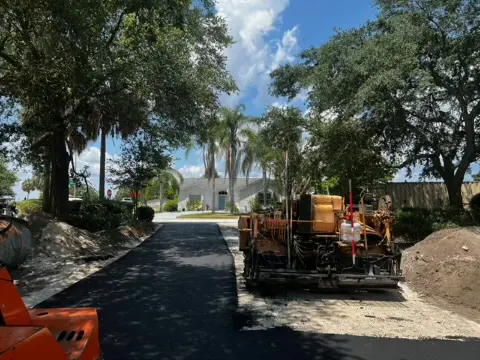
Paver laying hot mix asphalt on a drive with crew alongside
paving
Commercial and residential asphalt resurfacing
Who we work with
- Property managers with a worn but structurally sound lot
- HOAs resurfacing community roads
- Facility managers on a maintenance cycle
- Owners staging work across budget years
Common questions
- How do I know if resurfacing is enough?
- It comes down to whether the base is still structurally sound. Widespread interconnected cracking, movement and water pumping up through the surface all point to replacement instead.
- Does resurfacing change my drainage?
- It can, since you are adding thickness. Tie-ins at curbs, drains and door thresholds get checked as part of the scope, and milling is used where height has to stay put.
- How is this different from an overlay?
- The terms often overlap. An overlay adds asphalt over an existing surface; resurfacing may also involve milling and repairs. Base condition, drainage and finished heights determine which approach fits.
Asphalt paving and grading estimates in Central Florida
Ready for a written estimate?
Tell us about the property and the work you need. Discuss the site condition, access and proposed scope for your estimate.